
Screen Printing Simplified: Explaining the Process
Screen printing is an incredibly versatile, time-tested method of printing that involves creating a stencil on a mesh screen and using it to apply layers of ink onto a substrate. From local sports team jerseys and corporate promotional swag to limited-edition fine art posters, this classic technique is favored for its rich, vibrant colors and unmatched durability. While digital printing options have expanded rapidly over the years, traditional screen transfer remains the gold standard for projects that demand bold finishes on fabrics, wood, glass, or metals.
For businesses and creators wanting to translate their digital designs into high-quality physical products, partnering with a professional screen printing service is the most reliable way to achieve a premium, long-lasting look. Navigating the step-by-step mechanics of this fascinating process can help you understand how clean artwork transforms into high-performance, retail-ready apparel. Let's simplify the screen printing journey from raw mesh preparation to the final heat cure.
Understanding the Basics and Core Advantages
At its core, screen printing relies on forcing ink through a tensioned mesh screen. The areas of the mesh where you do not want your design to appear are blocked off with a light-hardened chemical emulsion, creating a custom stencil. When ink is swept across the screen with a squeegee, it transfers through the open mesh pores directly onto the surface below.
There are major practical advantages to choosing a classic screen printing service over direct-to-garment (DTG) or heat-press alternatives. First, screen printing allows for thick, opaque ink coverage, producing incredibly bright colors even on dark-colored shirts and heavy textiles. Second, this method is highly cost-effective for large production runs; once the physical screens are built and calibrated, reproducing the design hundreds of times is exceptionally fast and efficient. Finally, the chemical bond formed between the specialized plastisol or water-based inks and the fabric fibers ensures that the design resists fading, peeling, and cracking even after hundreds of washes, making it a highly durable solution for athletic apparel, outdoor workwear, and long-lasting merchandise.
Preparing the Screen and Stencil
The key to a flawless print lies in the meticulous preparation of the mesh screen. First, a technician must select the right mesh count—the number of woven threads per square inch. Lower mesh counts have wider openings, making them ideal for thick inks like specialty metallics, while higher mesh counts have tiny openings, which are crucial for capturing high-detail, intricate illustrations.
Once the mesh is chosen, it is coated with a liquid, light-sensitive emulsion in a darkroom and left to dry. Next, the design is printed onto a transparent film sheet. The technician places this film positive over the emulsion-coated screen and exposes it to intense ultraviolet light. The UV light hardens the exposed emulsion, while the black areas of the film block the light, leaving the emulsion underneath soft. The screen is then rinsed with pressurized water, washing away the unhardened emulsion to reveal a perfect stencil. Utilizing an experienced screen printing service ensures that this exposure phase is calculated down to the second, resulting in clean, sharp design lines.
Setting Up the Printing Station
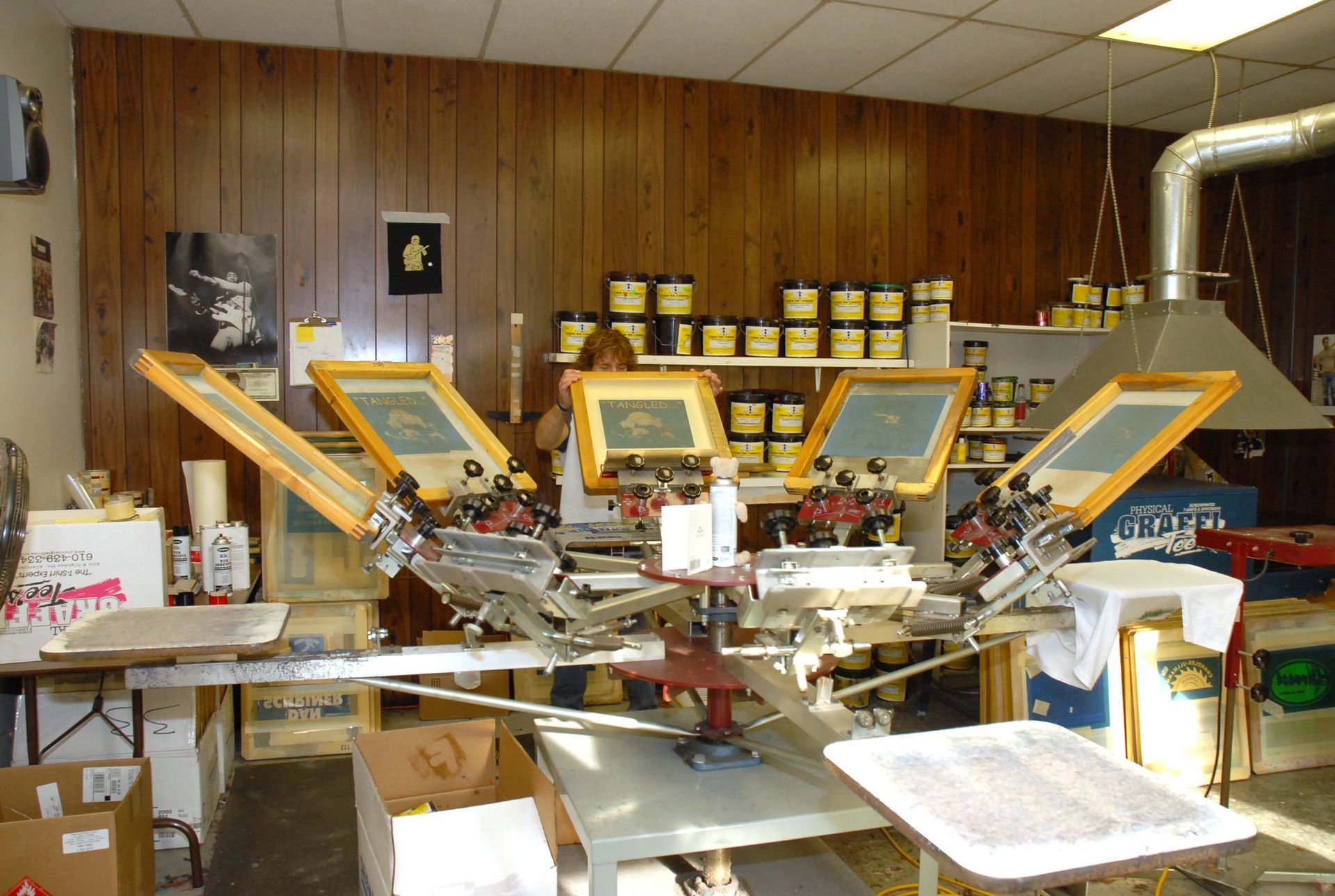
Setting up the printing station requires high-precision calibration to ensure every garment in a batch is aligned exactly. The prepared screen frame is clamped securely into a manual or automatic printing press, and a micro-registration system is adjusted to align the stencil perfectly with the printing pallet.
This precise calibration is particularly important when printing multi-color designs, as each individual color requires its own screen, stencil, and separate squeegee sweep. Any minor shift in registration will lead to misaligned colors and ruined garments. Setting up a highly standardized station is crucial for modern shops looking to scale their production.
According to TheBusinessResearchGroup.com, the custom printing market size will grow to $48 billion in 2029 at a compound annual growth rate (CAGR) of 9.1%. To capture a piece of this rapidly growing industry, modern commercial providers rely on automated machinery and rigorous setup protocols. For complex, high-volume orders, choosing a professional screen printing service ensures that your multi-color runs remain perfectly registered, crisp, and identical from the first shirt off the press to the last.
The Physical Printing Process
Once the station is set up, the physical printing process begins. The fabric is loaded onto the printing pallet, and a light adhesive is applied underneath to keep the material from moving during the stroke. The screen is lowered, and ink is deposited onto the mesh.
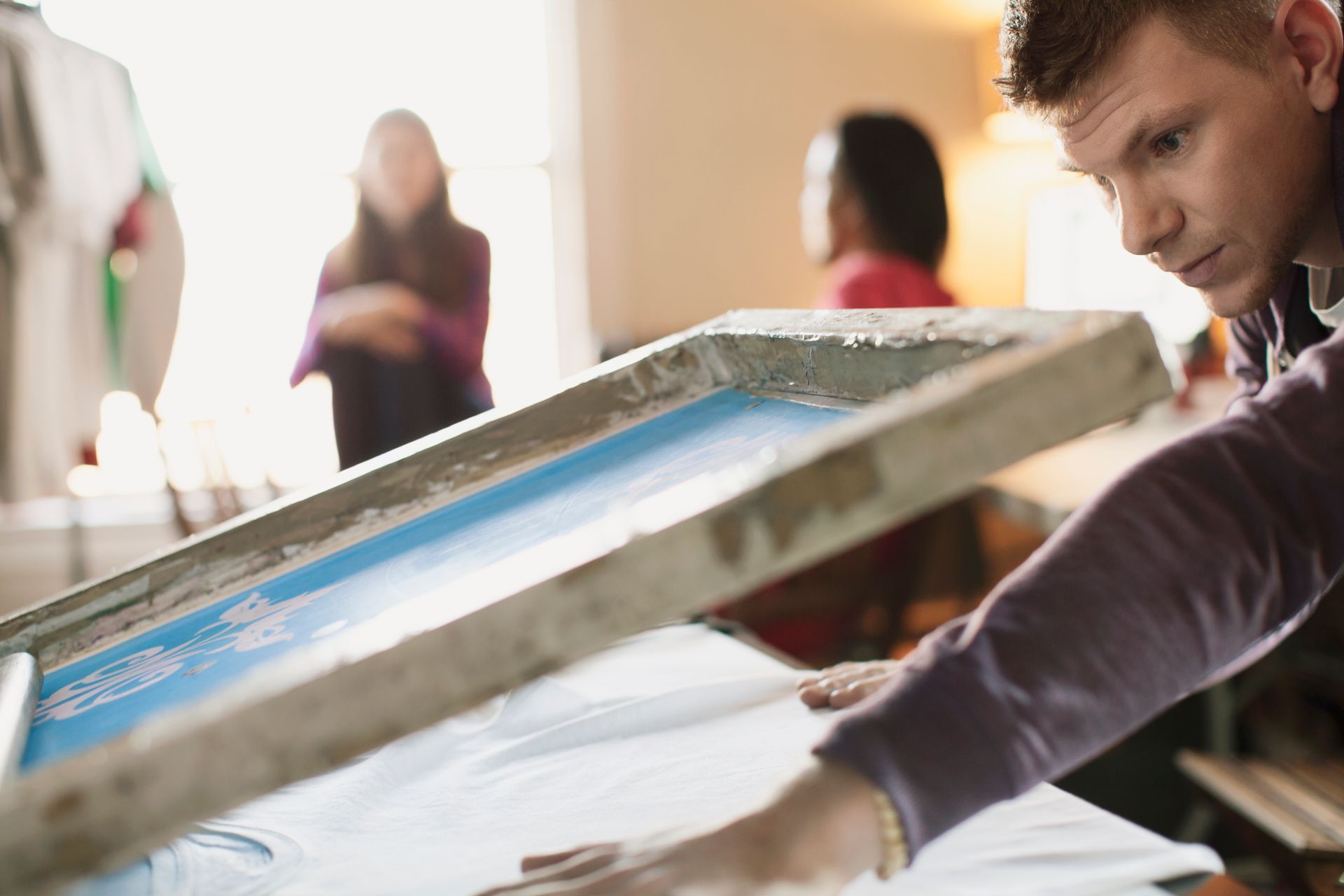
Using a squeegee tilted at a forty-five-degree angle, the operator pulls or pushes the ink across the screen with consistent downward pressure. This pressure forces the ink through the open stencil mesh and onto the fabric fibers below. Achieving uniform ink coverage requires great physical skill; if the pressure is too light, the print will appear patchy, while excessive pressure can cause the ink to smudge or bleed.
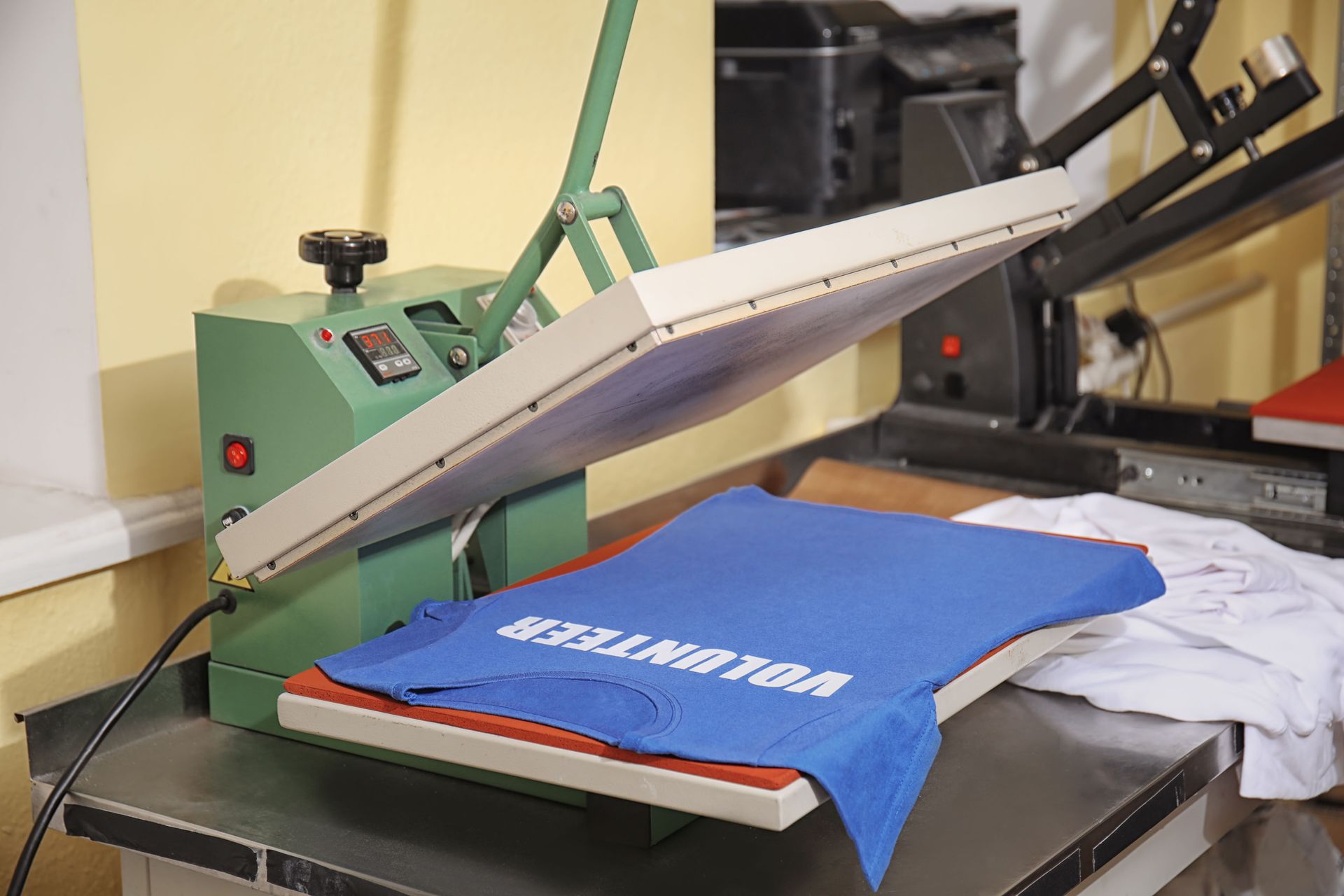
After the ink is applied, the garment is carefully lifted and run through a conveyor dryer. This heating tunnel cures the ink at high temperatures, ensuring it permanently bonds with the material. Hiring a certified screen printing service guarantees that this curing step is managed perfectly, preventing the ink from washing out later.
Troubleshooting Common Print Pitfalls
Even with advanced machinery, screen printing is a highly sensitive chemical and physical process that requires constant quality control. One of the most common issues is ink bleeding, which occurs when thin ink spreads beyond the boundaries of the stencil, resulting in blurry edges. This is often resolved by adjusting the ink's thickness, using higher screen tension, or reducing the squeegee pressure.
Another frequent headache is screen clogging, where dried ink or loose garment fibers block the tiny mesh openings, leading to incomplete or patchy prints. Operators must keep the screens clean and use specialized mesh-opening sprays to maintain a consistent ink flow.
If you attempt a high-volume DIY print run, these variables can quickly ruin your raw inventory. Trusting your custom project to a commercial-grade screen printing service eliminates these costly errors, ensuring that every garment is produced with clean lines, rich colors, and zero material waste.
Advanced Customization Techniques
For brands wanting to stand out, modern shops offer a variety of advanced, specialized printing techniques that go far beyond standard flat ink. Specialty ink formulations can add unique tactile textures and visual finishes to your custom apparel. For example, puff additives expand during the curing process, creating a raised, three-dimensional texture on the fabric, while metallic and glitter inks incorporate tiny reflective flakes to add a catching shimmer.
Discharge inks chemically strip the dye from dark cotton fabrics and replace it with your chosen pigment, resulting in an incredibly soft, lightweight, and breathable feel. High-density printing uses extra-thick stencils to create sharp, hard-edged raised designs that mimic rubber or plastic molding. Incorporating these advanced techniques requires deep mechanical expertise, specialized curing ovens, and high-quality screen calibration to ensure the unique finishes remain durable and vibrant through repeated laundry cycles.
Screen printing remains a cornerstone of the custom apparel industry because of its unmatched versatility, rich color payoff, and exceptional wash durability. From simple black-and-white logos to complex, multi-layered specialty designs, understanding the chemistry and mechanics of the stencil process shows the great value of professional craftsmanship.
When you are ready to elevate your brand, promote your local business, or create custom merchandise, trust the expert team at House of Apparel. As your premier local screen printing service, we combine state-of-the-art automated presses with premium inks to deliver vibrant, long-lasting results with fast turnarounds. Contact us today to request an upfront quote and bring your creative designs to life!




Share On: