
What Makes Screen-Printed T-Shirts Worth the Investment?
Screen-printed t-shirts remain a popular choice for businesses, organizations, events, and individuals who want durable, customizable apparel. While newer printing technologies have expanded the options available, traditional screen printing continues to offer a combination of quality, versatility, and value. For anyone considering screen printing services, understanding these advantages can make it easier to determine whether this printing method fits their needs.
Assessing Quality and Durability
Choosing Quality Materials
The quality of a screen-printed t-shirt begins with the garment itself. Cotton, polyester blends, and other durable fabrics can provide comfort while standing up to regular use. According to UniformMarket.com, the average US household spends around $162 per month on apparel. When clothing represents a recurring expense, choosing garments that can remain useful and attractive over time can help maximize that investment.
Maintaining Long-Lasting Prints
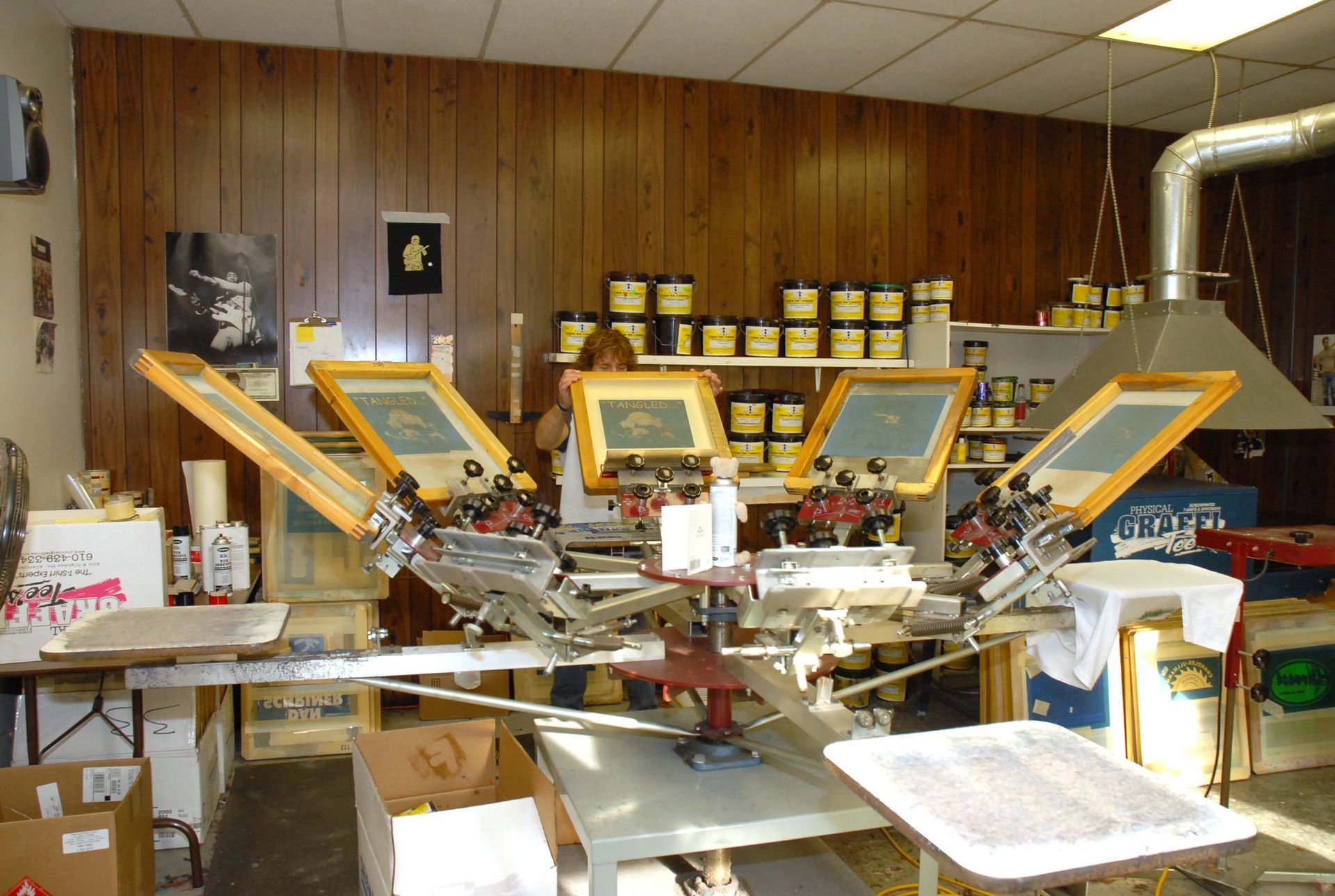
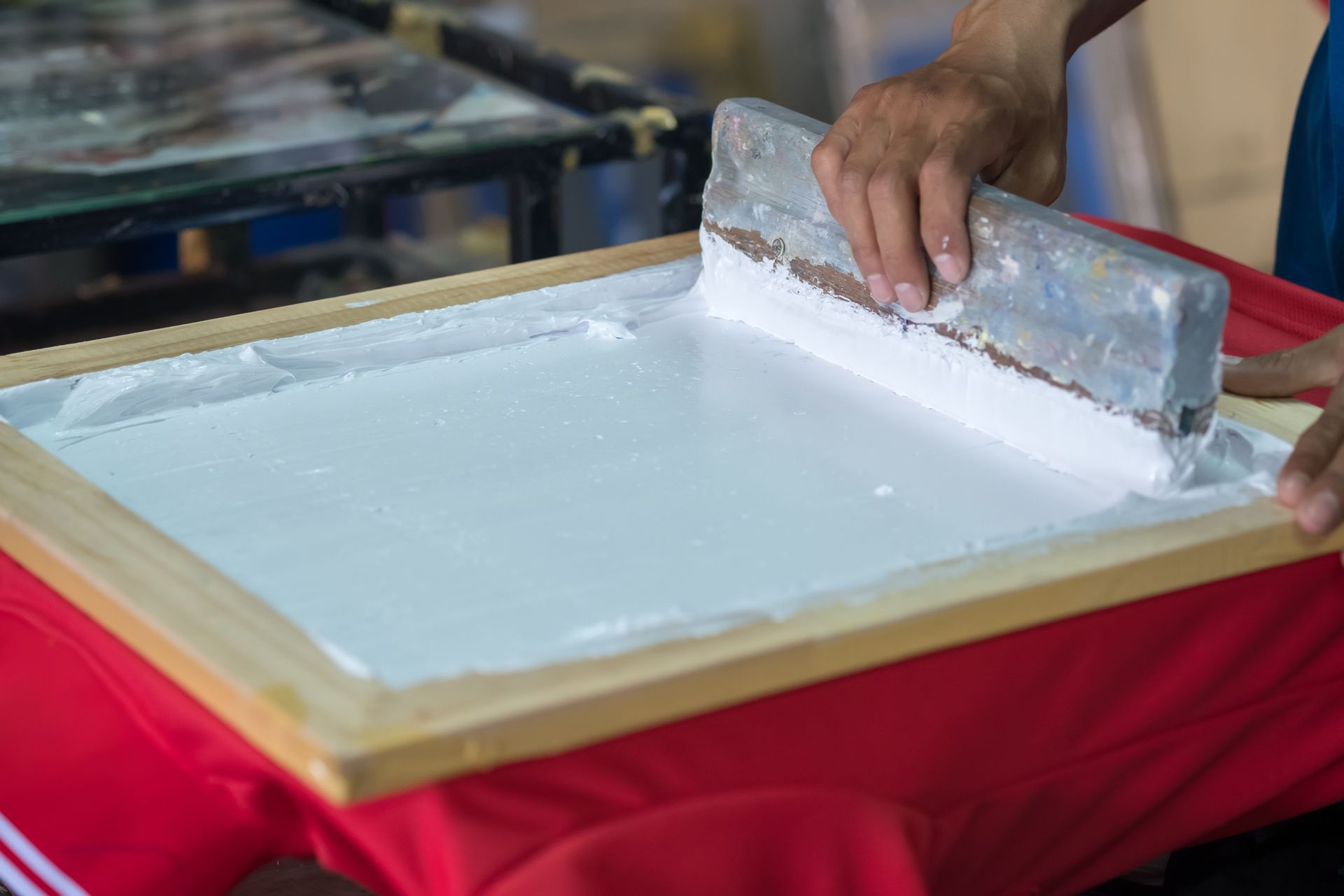
Screen printing is known for producing durable designs that can withstand repeated wear and washing. The ink is applied directly to the garment in layers, creating a substantial print that can remain vibrant when the shirt is properly cared for. This durability is especially useful for uniforms, promotional apparel, team shirts, and other garments expected to be worn frequently.
Preserving Color and Detail
Another advantage is the ability to produce bold, vibrant colors and detailed artwork. Properly produced prints can retain their appearance through regular use, helping logos, graphics, and messages remain noticeable. This makes screen printing services a practical option when the appearance of the finished garment matters as much as its function.
Exploring Customization Options
Selecting Creative Designs
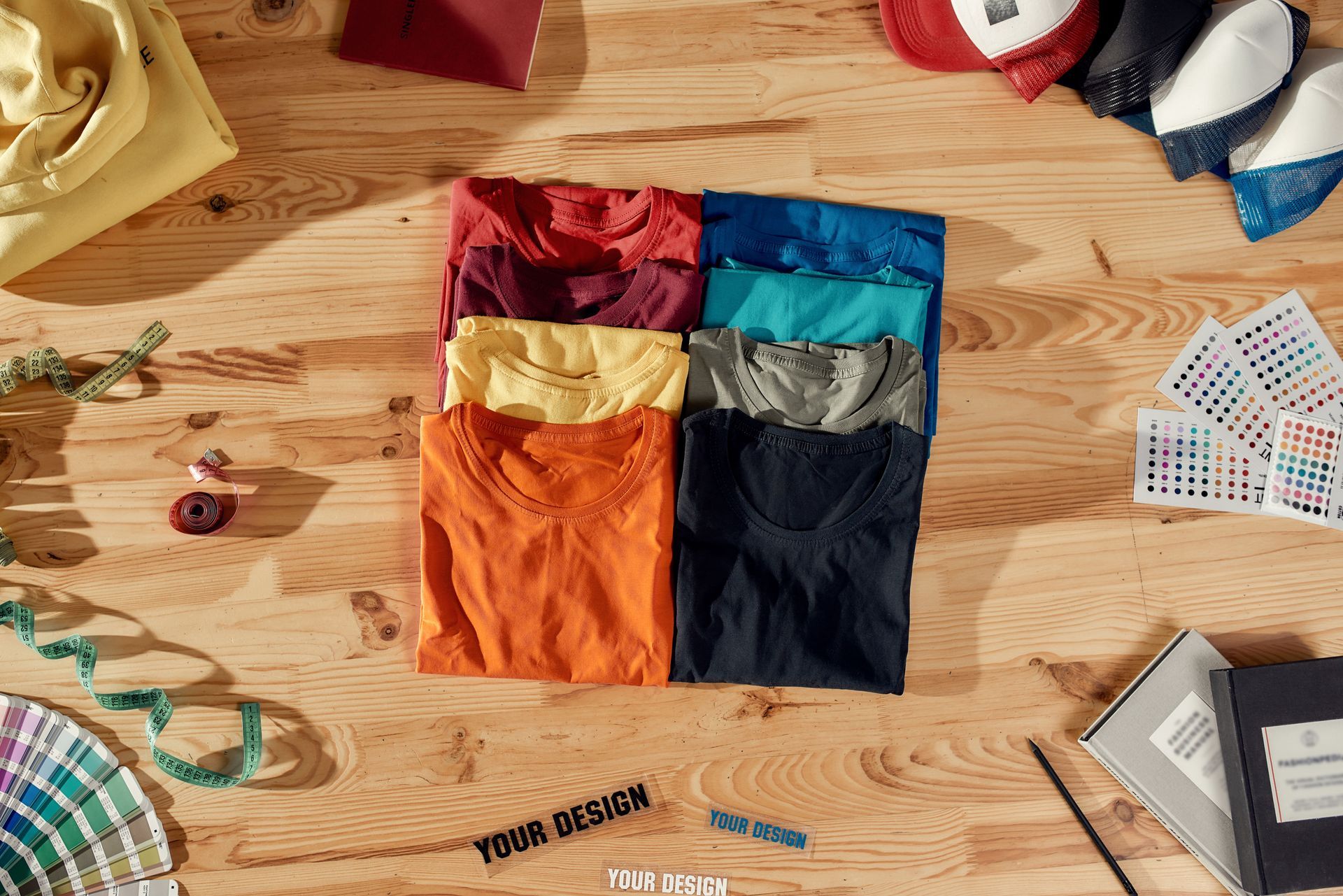
Screen printing gives designers considerable flexibility when creating custom apparel. Businesses can incorporate logos and brand elements, while schools, organizations, and individuals can develop artwork that reflects a specific event, group, or personal style. Multiple colors, layered graphics, and different design elements can all be incorporated into a finished shirt.
Choosing Specialized Inks
Different ink options can create different appearances and textures. Plastisol inks are widely used for their durability and vibrant color, while water-based inks can create a softer feel on certain garments. Specialty options, including metallic, puff, and glow-in-the-dark inks, can add distinctive effects when the design calls for something beyond a standard print.
Expanding Beyond T-Shirts
Screen printing is not limited to traditional t-shirts. Depending on the equipment and garment, designs can also be applied to sweatshirts, hoodies, jackets, bags, and other apparel. This flexibility allows businesses and organizations to create coordinated collections rather than relying on a single type of garment.
Evaluating Cost and Value
Reducing Per-Unit Costs
One of the biggest financial advantages of screen printing is its suitability for larger orders. Once the screens and artwork have been prepared, producing additional garments can be more cost-effective. This makes screen printing services particularly useful for businesses, teams, schools, events, and organizations that need consistent apparel in larger quantities.
Maximizing Bulk Orders
Ordering in bulk can help organizations maintain consistent branding while managing their apparel budgets. Instead of ordering individual garments whenever a need arises, businesses can plan ahead for employees, promotional events, or seasonal campaigns. Careful planning can also make it easier to maintain consistent colors and designs across an entire collection.
Balancing Price and Longevity
The cheapest apparel option is not always the most economical over time. A shirt that holds its shape and print through repeated use may provide more value than a garment that needs to be replaced frequently. When comparing screen printing services, consider the quality of the garments, the expected frequency of use, and the complexity of the design alongside the initial price.
Considering Environmental Factors
Exploring Sustainable Materials
Businesses and consumers increasingly consider the environmental impact of the clothing they purchase. Screen-printed apparel can incorporate options such as organic cotton or recycled materials when suitable for the project. Choosing longer-lasting garments can also help reduce the need for frequent replacement.
Selecting Appropriate Inks
Some screen printing projects may use water-based or other lower-impact ink options depending on the garment and desired result. The appropriate choice depends on factors such as fabric type, design requirements, durability, and the printer's available processes. Discussing these considerations with a professional can help identify suitable options.
Reducing Production Waste
Thoughtful ordering can help reduce unnecessary apparel waste. Businesses can estimate their needs, select versatile garments, and avoid ordering substantially more clothing than they can reasonably use. Reusing consistent designs for different apparel pieces can also help organizations create cohesive collections without constantly developing new artwork.
Expanding Branding Opportunities
Strengthening Visual Identity
Custom apparel can give employees, teams, and organizations a consistent visual identity. A recognizable logo, color scheme, or slogan can help create a cohesive appearance across shirts and other garments. For businesses, branded apparel can also provide an additional way to keep their identity visible during workdays, events, and community activities.
Supporting Promotional Campaigns
Screen-printed apparel can be used for trade shows, fundraisers, product launches, company events, and promotional campaigns. Unlike some forms of advertising that disappear after a campaign ends, a useful shirt can continue to be worn after the original event. This gives organizations an opportunity to create apparel that serves both an immediate purpose and a longer-term one.
Creating Consistent Merchandise
Businesses and organizations can use custom apparel to develop merchandise collections around a shared design. Shirts, hoodies, bags, and other items can carry complementary graphics to create a more unified presentation. For organizations selling apparel, screen printing services can also make it easier to produce multiple products around a recognizable design.
Evaluating Consumer Value
Prioritizing Wearability
A custom shirt is more valuable when people actually want to wear it. Comfortable fabrics, appropriate sizing, appealing designs, and practical colors can all influence whether a garment becomes part of someone's regular wardrobe. A well-designed shirt can serve as both custom merchandise and everyday clothing.
Considering Long-Term Use
Durability is another important part of consumer value. If a shirt remains comfortable and its design stays attractive after repeated use, the initial purchase can provide value over a longer period. This is particularly important for uniforms, team apparel, and promotional shirts that may be worn regularly rather than just once.
Comparing Printing Options
Screen printing is not automatically the right solution for every project. Order size, artwork, garment type, number of colors, desired texture, and budget can all influence the best printing method. Comparing these factors with a professional screen printing services provider can help ensure the selected approach matches the project's goals.
Maximizing the Investment
Planning Apparel Needs
Before placing an order, consider who will wear the garments, how often they will be used, and where they will be worn. A clear understanding of these needs can help determine the appropriate fabric, style, quantity, and design. Planning ahead can also make bulk orders more practical and reduce last-minute purchasing.
Prioritizing Garment Quality
A strong design cannot compensate for an unsuitable garment. Consider fabric, fit, construction, and expected use before finalizing an order. Selecting quality apparel gives the finished print a better foundation and can contribute to a longer-lasting product.
Working With Experienced Printers
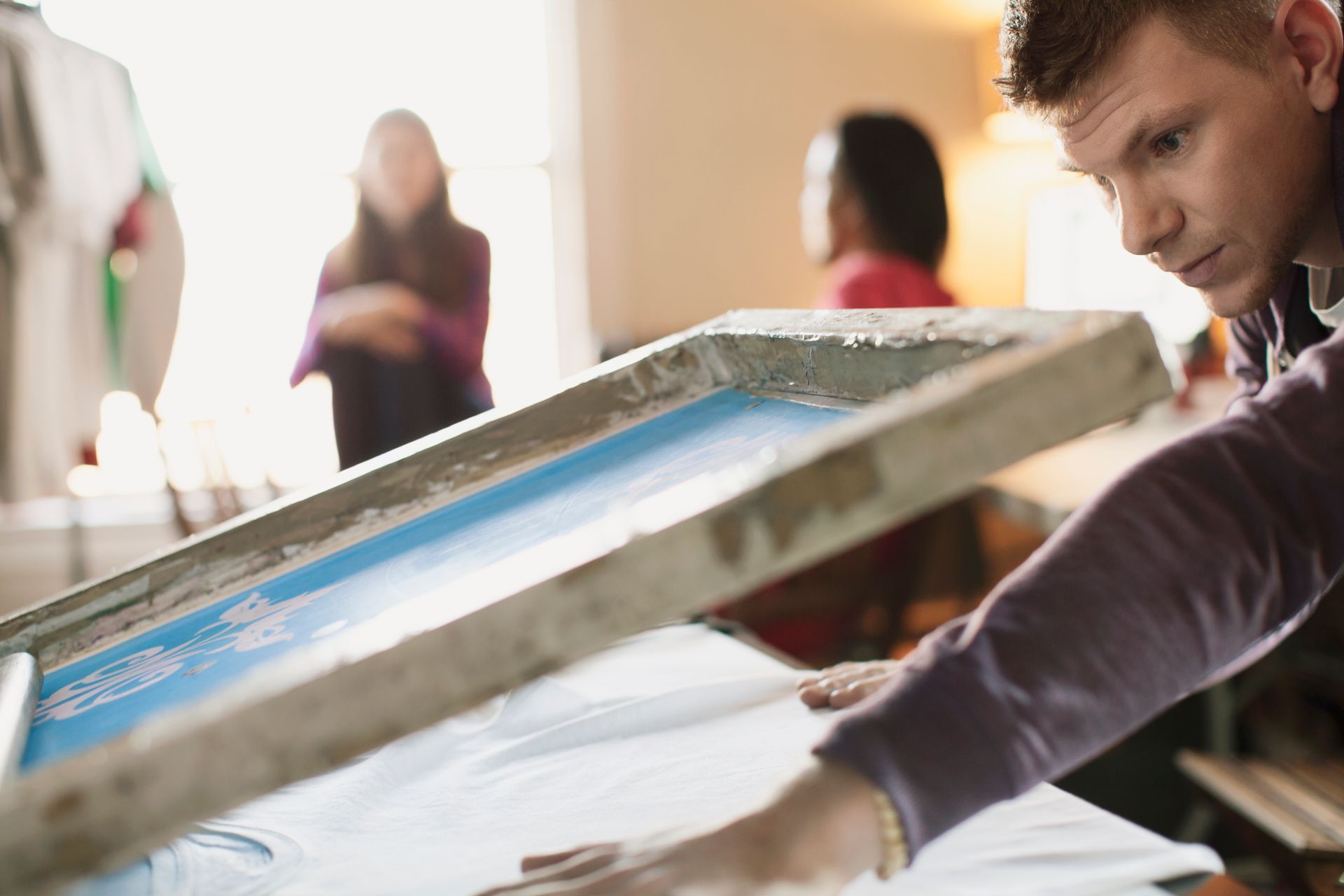
Professional guidance can simplify decisions about artwork, garments, inks, quantities, and production. Experienced providers of screen printing services can help identify potential issues before production and recommend options based on the intended use of the apparel. This guidance can be especially valuable for large orders or complex designs.
Screen-printed t-shirts can provide lasting value through durable prints, flexible customization, bulk-order affordability, and broad branding possibilities. The best investment depends on more than the printing method alone; garment quality, design, intended use, order size, and maintenance all play important roles.
If you're ready to create durable, customized apparel for your business, organization, team, or event, House of Apparel can help you explore your options. Contact us to learn more about choosing the right garments and printing approach for your project.




Share On: