Things to Consider Before Ordering Custom Workwear
Ordering uniforms for your team might seem straightforward, but getting the details right takes a little more planning than most businesses expect. The right clothing can help employees feel comfortable, present a consistent brand image, and make everyday tasks easier. However, choosing the wrong fabrics, designs, or supplier can lead to unnecessary expenses and frustration. Before placing an order, it helps to think through what your employees actually need and how your clothing choices will support your business over time.
Understanding Your Employees’ Needs
Every workplace has different requirements, which means your clothing decisions should start with understanding the people who will wear them. Employees working outdoors may need weather-resistant materials, while office staff might benefit from lightweight garments that maintain a professional appearance throughout the day. Consider how employees move, what equipment they use, and whether their responsibilities require additional protective features. Taking time to understand these differences helps businesses select custom workwear that supports practical job requirements instead of simply looking attractive.
Another important consideration is how frequently employees will wear their uniforms. Workers who wear the same garments every day generally need multiple sets to accommodate washing, changing, and unexpected situations. Businesses should also consider seasonal changes, employee turnover, and whether different departments require separate clothing options. These details help establish a realistic ordering quantity and prevent situations where employees run short of suitable garments.
Selecting More Durable Materials
Material selection can significantly influence how well your uniforms perform after months of regular use. Durable fabrics are particularly important for employees working in demanding environments, where clothing may encounter dirt, friction, moisture, or repeated washing. Cotton blends, polyester, and canvas each offer different advantages depending on the application, so comparing their characteristics before ordering makes sense. Choosing materials based on actual workplace conditions can help reduce replacement costs while keeping employees properly equipped.
Comfort deserves just as much attention as durability, especially when employees spend entire shifts wearing their uniforms. Breathable fabrics can help manage heat, while flexible materials allow greater freedom of movement during physically demanding activities. Employees may also appreciate lightweight options during warmer months and insulating layers when temperatures drop. According to UniformMarket.com, 58% of consumers prefer shopping for apparel in physical stores rather than online, highlighting how important evaluating clothing in person can be when assessing its feel and quality.
Choosing More Effective Designs
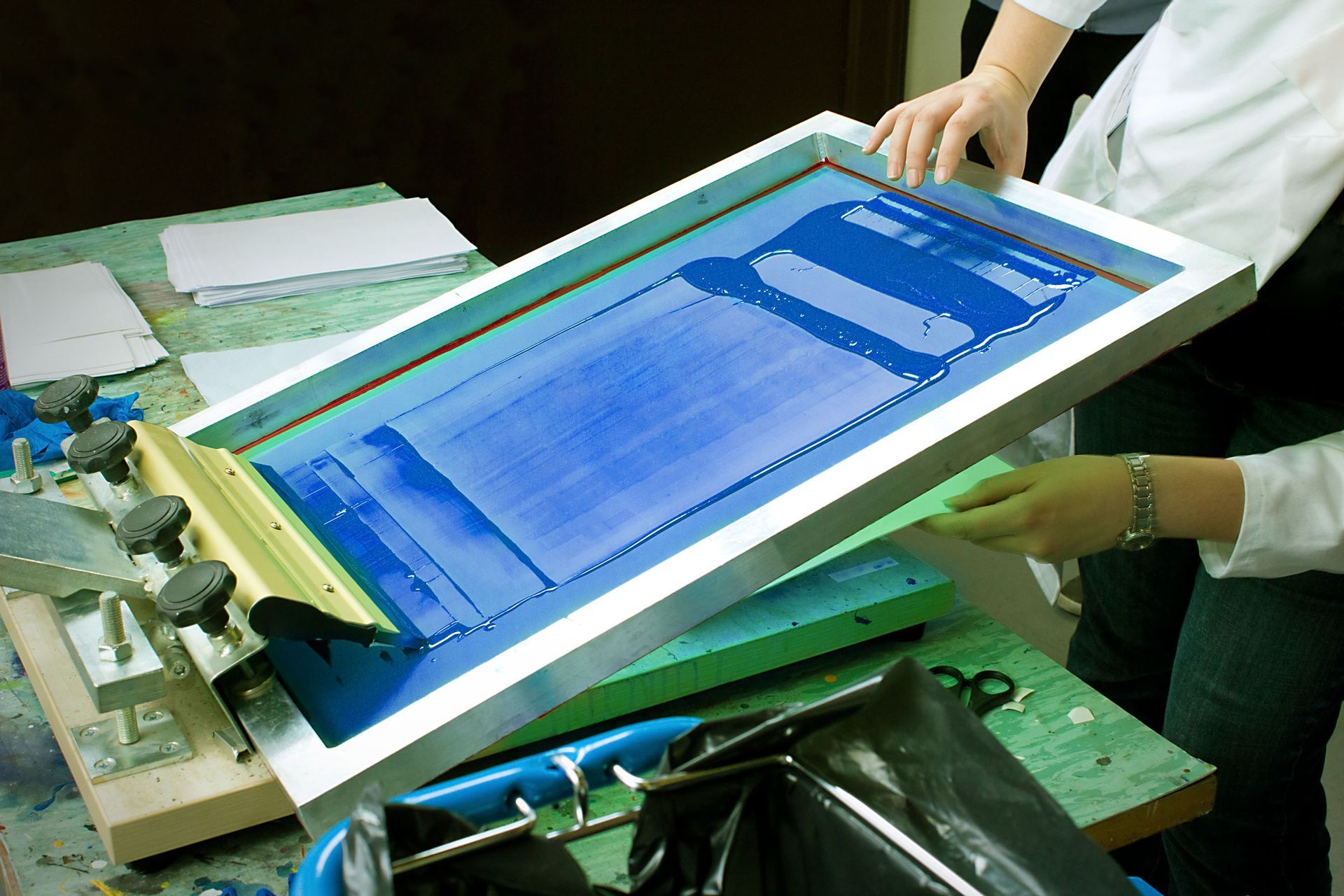
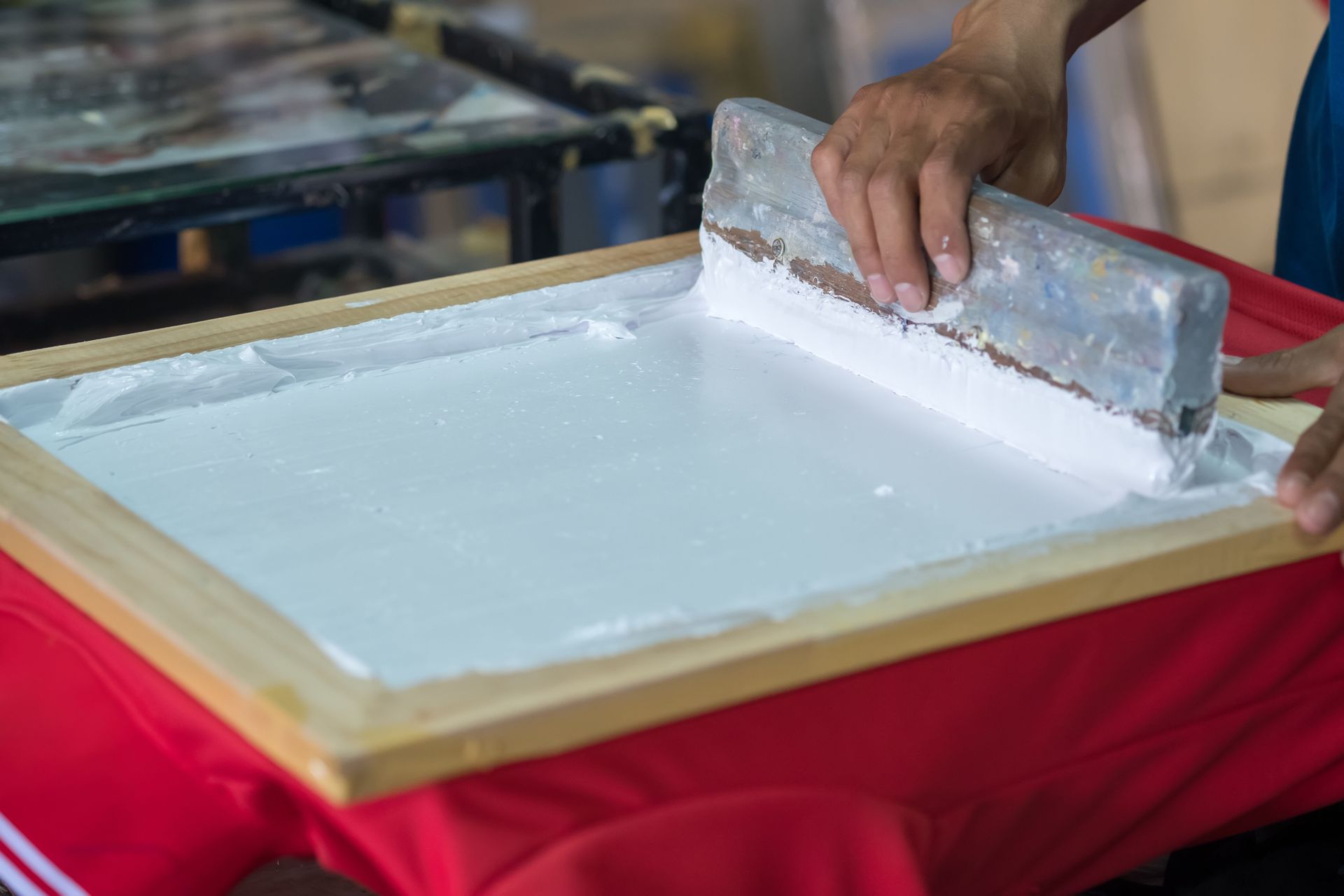
Your uniform design should communicate your brand identity without making everyday work uncomfortable or inconvenient. Logo placement, garment colors, and overall styling all influence how employees represent your business when interacting with customers. A small embroidered logo may create a polished appearance, while larger graphics could work better for businesses prioritizing visibility. When planning custom workwear, think about how the finished garments will look across different departments and whether the design remains recognizable without becoming distracting.
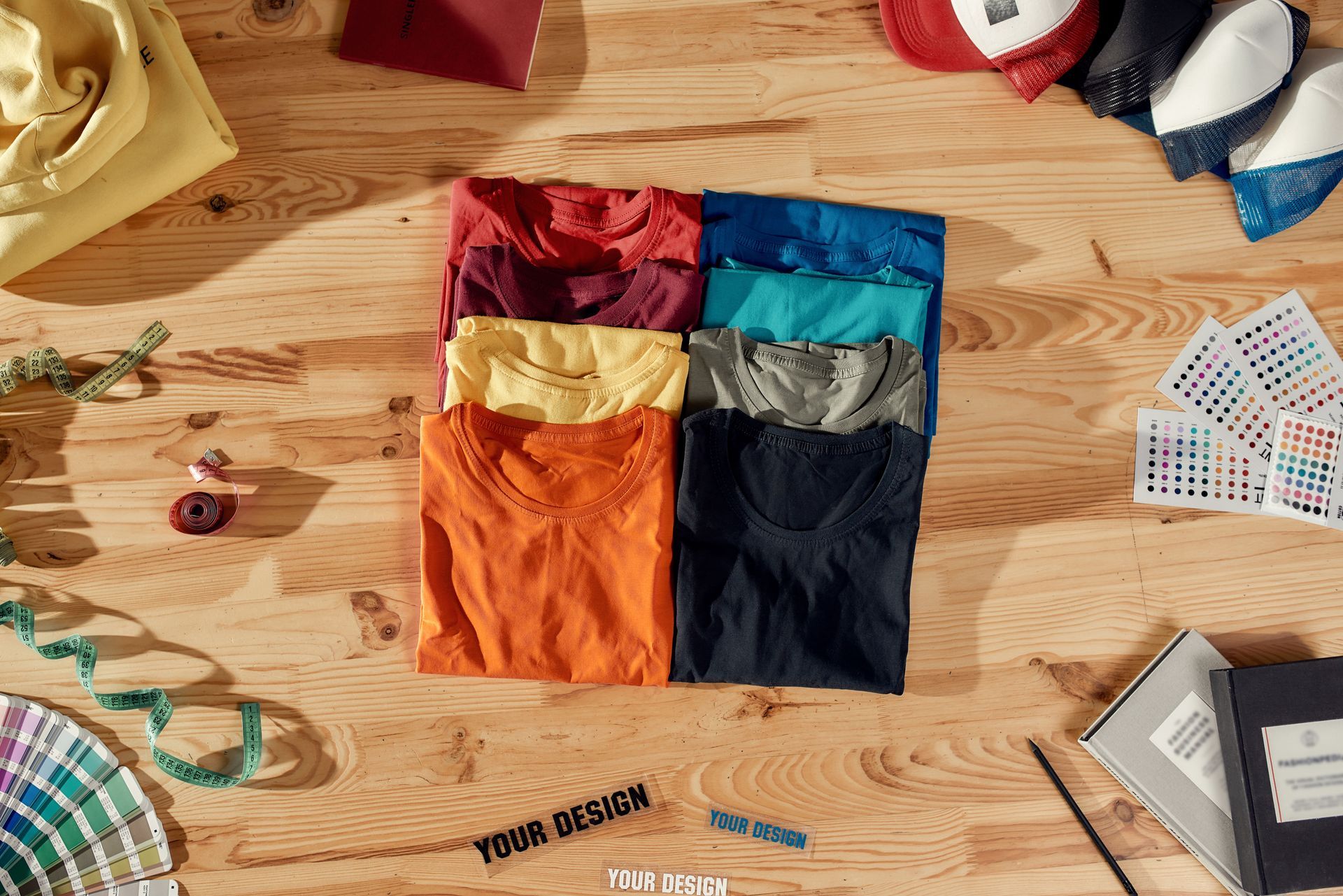
Color selection also deserves careful consideration because certain shades perform better in specific environments. Darker colors may help conceal everyday stains, while brighter options can improve visibility in workplaces where employees need to stand out. Businesses should consider existing branding guidelines alongside practical concerns such as maintenance, workplace safety, and customer expectations. Selecting a consistent color palette helps create a recognizable appearance while allowing room for functional differences between employee roles.
Evaluating More Reliable Suppliers
Finding a supplier that understands your requirements can make the ordering process considerably easier. Look for companies that provide clear product information, explain customization options, and communicate realistic production timelines. Reviews, customer testimonials, and examples of previous work can help you evaluate whether a supplier consistently delivers satisfactory results. It is also worth asking how the company handles sizing issues, damaged products, and unexpected delays before committing to a large order.
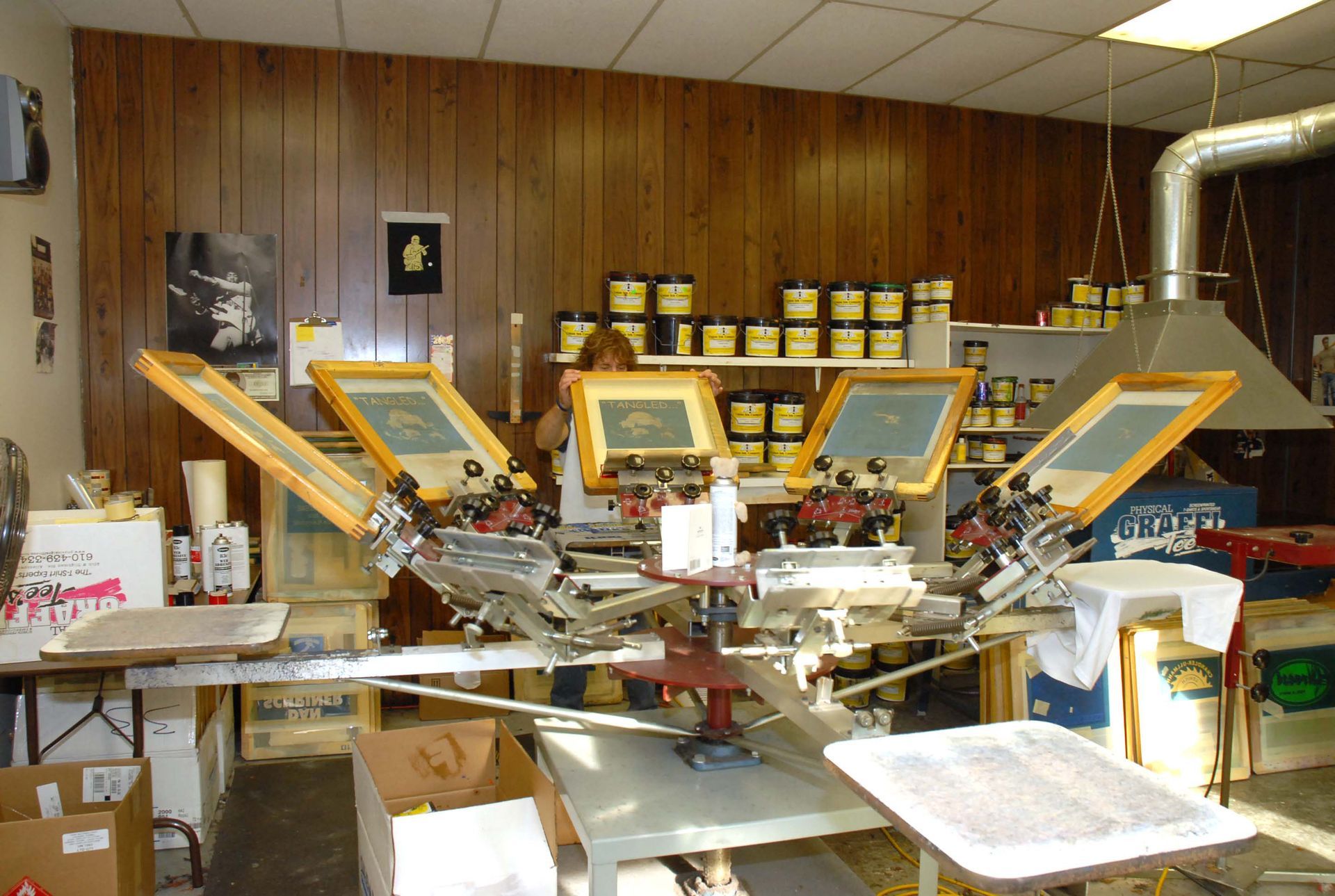
Production capabilities are another factor worth examining, particularly if your business needs uniforms for multiple locations or a large workforce. Some suppliers may specialize in smaller orders, while others can accommodate substantial quantities and repeat purchases more efficiently. Ask about minimum order requirements, available sizes, sample garments, and opportunities to reorder the same designs later. A supplier with dependable processes can help maintain consistency as your business grows and its clothing needs change.
Comparing More Affordable Pricing
Budget planning involves more than comparing the price of individual garments. Customization fees, embroidery, printing, shipping, and setup charges can significantly affect the final cost of an order. Requesting detailed quotations helps you understand what each supplier includes and makes it easier to compare options fairly. Businesses should also consider whether purchasing larger quantities provides meaningful savings without creating unnecessary inventory.
Although lower prices can be appealing, inexpensive garments may not always provide the best long-term value. Clothing that fades, shrinks, or develops damage quickly can require frequent replacements, increasing overall spending. When evaluating custom workwear, consider the expected lifespan of each garment alongside its purchase price and maintenance requirements. Spending slightly more on suitable materials and dependable construction may prove more economical when employees wear the clothing regularly.
Planning More Accurate Sizing
Sizing is one of the most common challenges businesses encounter when ordering uniforms for multiple employees. Standard measurements can vary between manufacturers, so relying entirely on familiar shirt or jacket sizes may result in inconsistent fits. Providing employees with sizing charts, sample garments, or fitting opportunities can help reduce mistakes before production begins. This is especially useful when ordering clothing for teams with different body types and individual preferences.
It is also important to consider how garments should fit during normal working activities. Employees may need additional room for movement, protective layers, or equipment worn underneath their uniforms. Businesses should establish clear expectations regarding fit while allowing reasonable flexibility for personal comfort. Taking accurate measurements and reviewing size selections before finalizing an order can prevent costly adjustments and unnecessary exchanges.
Improving Future Uniform Orders
The first uniform order should not be treated as the final opportunity to improve your clothing program. Gathering employee feedback after garments have been worn for several weeks can reveal practical issues that were difficult to identify beforehand. Workers might notice uncomfortable seams, inadequate pockets, inconvenient closures, or materials that perform poorly during daily activities. Addressing these observations helps businesses make more informed decisions when ordering replacement garments or expanding their uniform inventory.
Regularly reviewing garment condition also provides useful information about durability and maintenance. Managers can identify which items experience the most wear, determine whether certain fabrics require different care instructions, and recognize opportunities to improve future selections. Keeping records of employee sizes, preferred styles, supplier details, and previous purchases makes subsequent orders easier to manage. A thoughtful approach to custom workwear allows businesses to maintain consistency while adapting to changing employee needs and operational demands.
Ordering uniforms is an opportunity to improve workplace comfort, strengthen brand recognition, and make everyday operations more organized. By considering employee requirements, material quality, design, supplier reliability, pricing, sizing, and future improvements, businesses can avoid common purchasing mistakes and make more informed decisions when investing in custom workwear. The most successful uniform programs balance practical functionality with a professional appearance, ensuring employees feel comfortable, confident, and properly equipped throughout the workday. Taking time to evaluate these factors also helps businesses manage their budgets, maintain consistency across teams, and create a positive impression on customers. Ultimately, well-planned custom workwear can become a valuable part of a company's identity while supporting employee satisfaction and long-term operational efficiency. Businesses that prioritize quality, comfort, and thoughtful design can also make custom workwear an effective investment in their employees and overall brand presentation. For businesses ready to create uniforms that reflect their identity and meet their team's needs, House of Apparel can help bring your workwear vision to life.



Share On: